Busan as the
Wartime Capital
Heritage of Busan as the Wartime Capital
After the outbreak of the Korean War, from August 18, 1950, until the return of the government to Seoul,
Busan served as the wartime capital of the Republic of Korea for 1,023 days. During this period, Busan became the political, economic, and
cultural hub of the country, providing refuge to countless displaced men, women and children.
Supported by international aid from
the United Nations forces and relief efforts, both the wartime government and the refugees found hope in rebuilding their lives.
Through their collective efforts, the nation was able to overcome the wartime crisis. Even today, Busan still holds the memories of both the pain of war and the hope for recovery.
Preserving and understanding the legacy of Busan as the wartime capital is essential, as it reflects the valuable history and
resilience of both Busan and Korea.This process of safeguarding the past is crucial to maintaining the core values that the nation holds dear.
Heritage of Busan


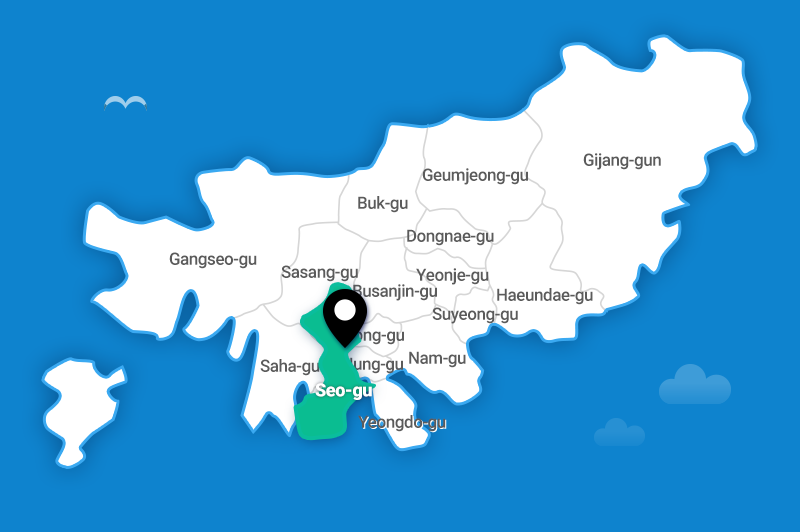
Location
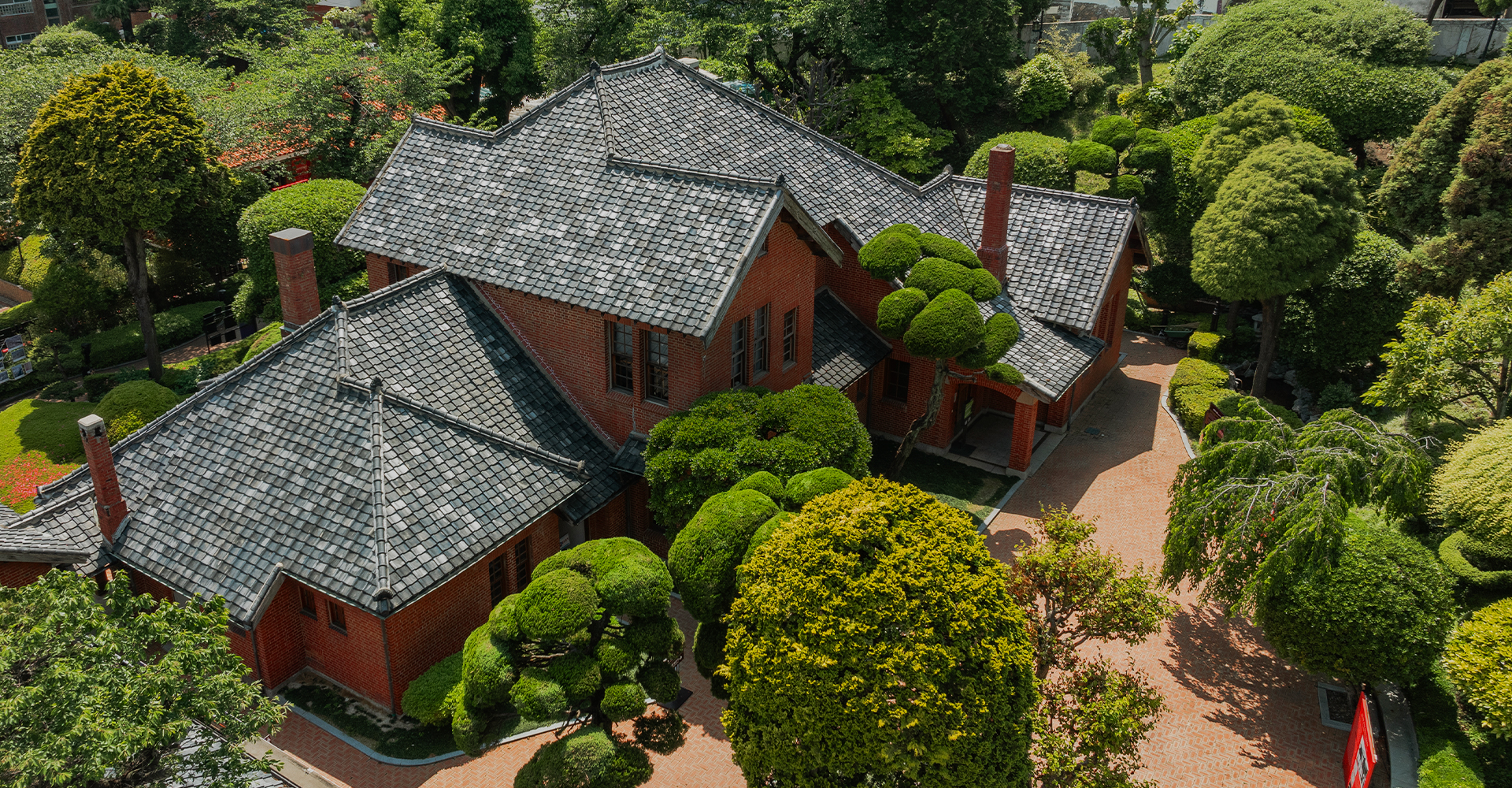
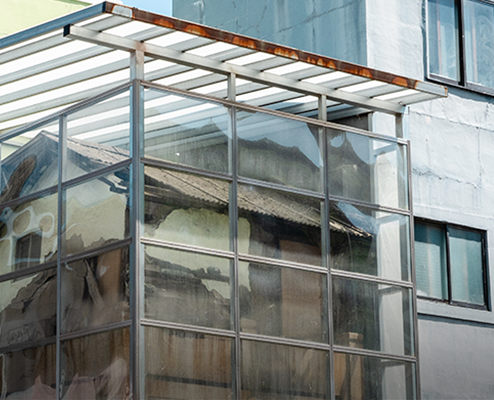
Temporary Presidential Residence
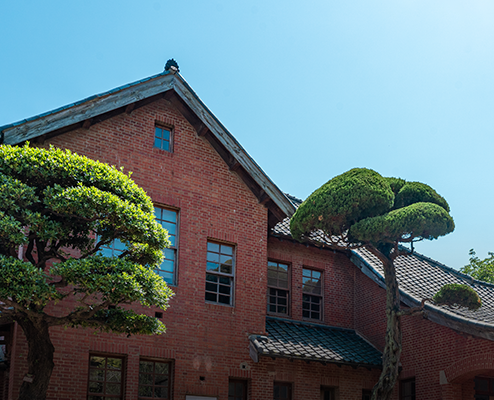
The Temporary Presidential Residence was used as a home and workplace for the president and as a space for diplomatic efforts.
Location 45 Imsisudoginyeom-ro, Seo-gu, Busan
Read more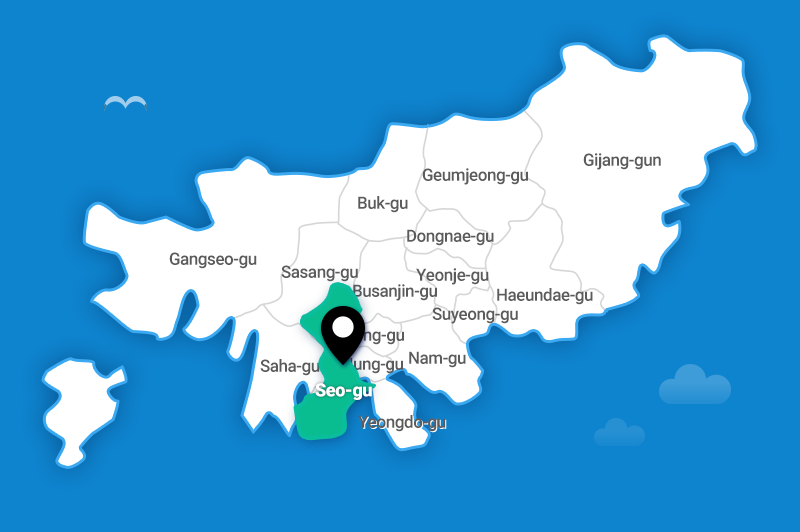
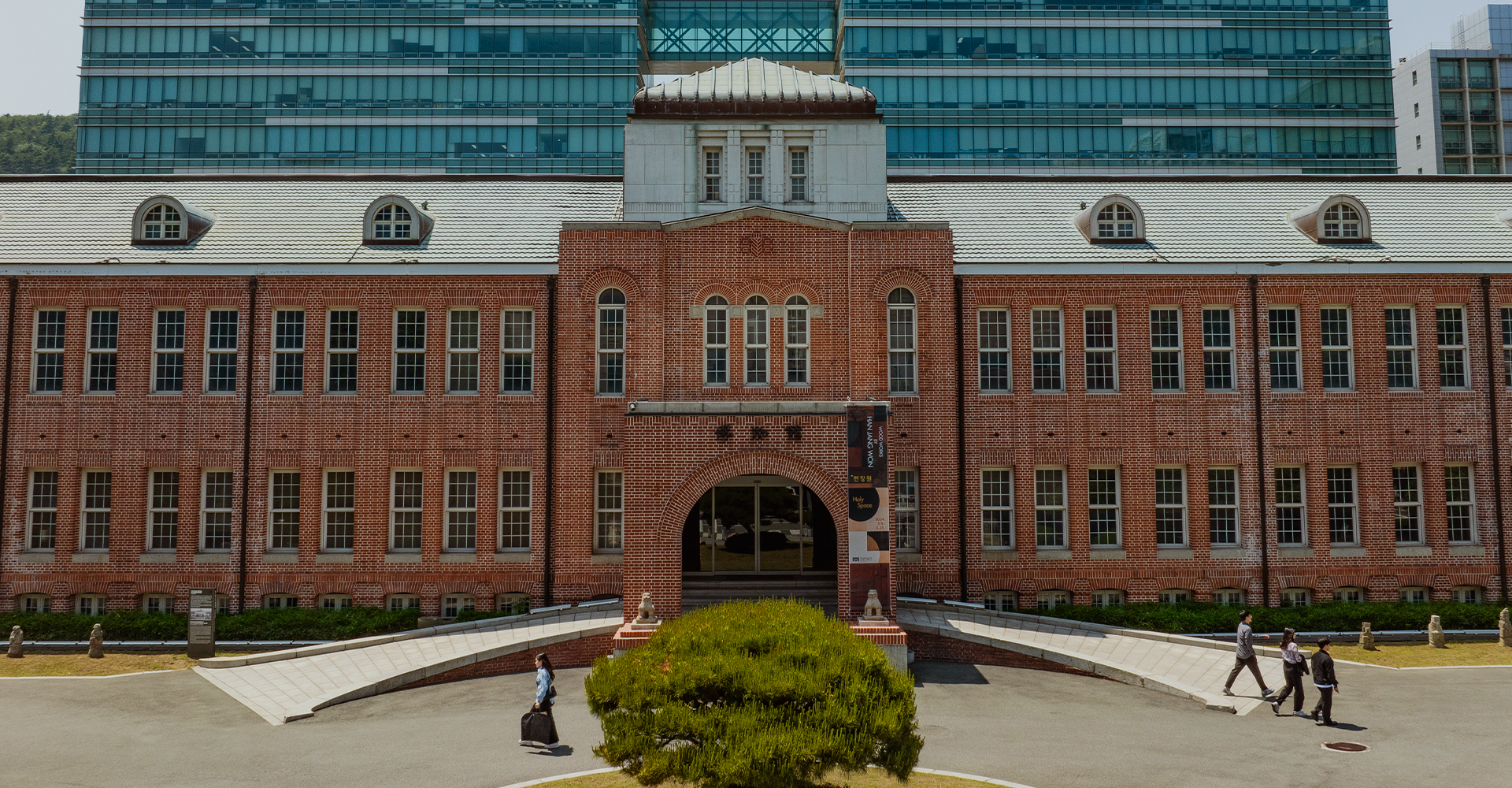
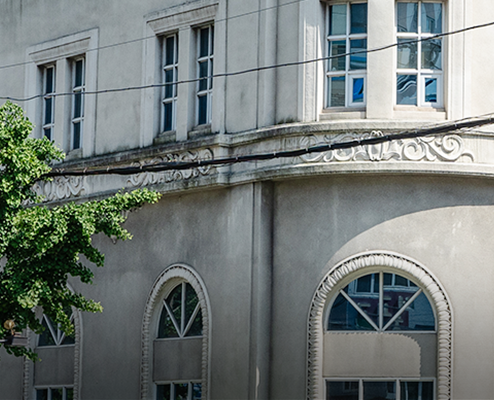
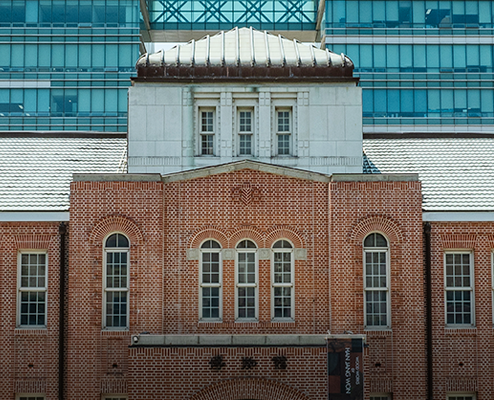
Temporary Government Complex
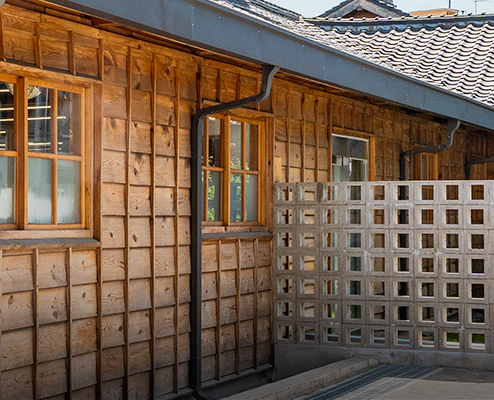
The Temporary Government Complex accommodated the offices for the State Council (the highest decision-making organ of the government) and many other major government offices.
Location 225 Gudeok-ro, Seo-gu, Busan
Read more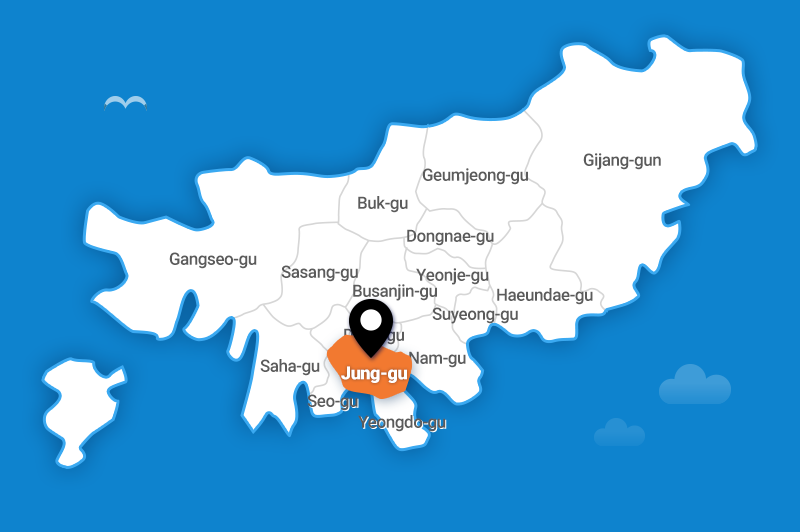
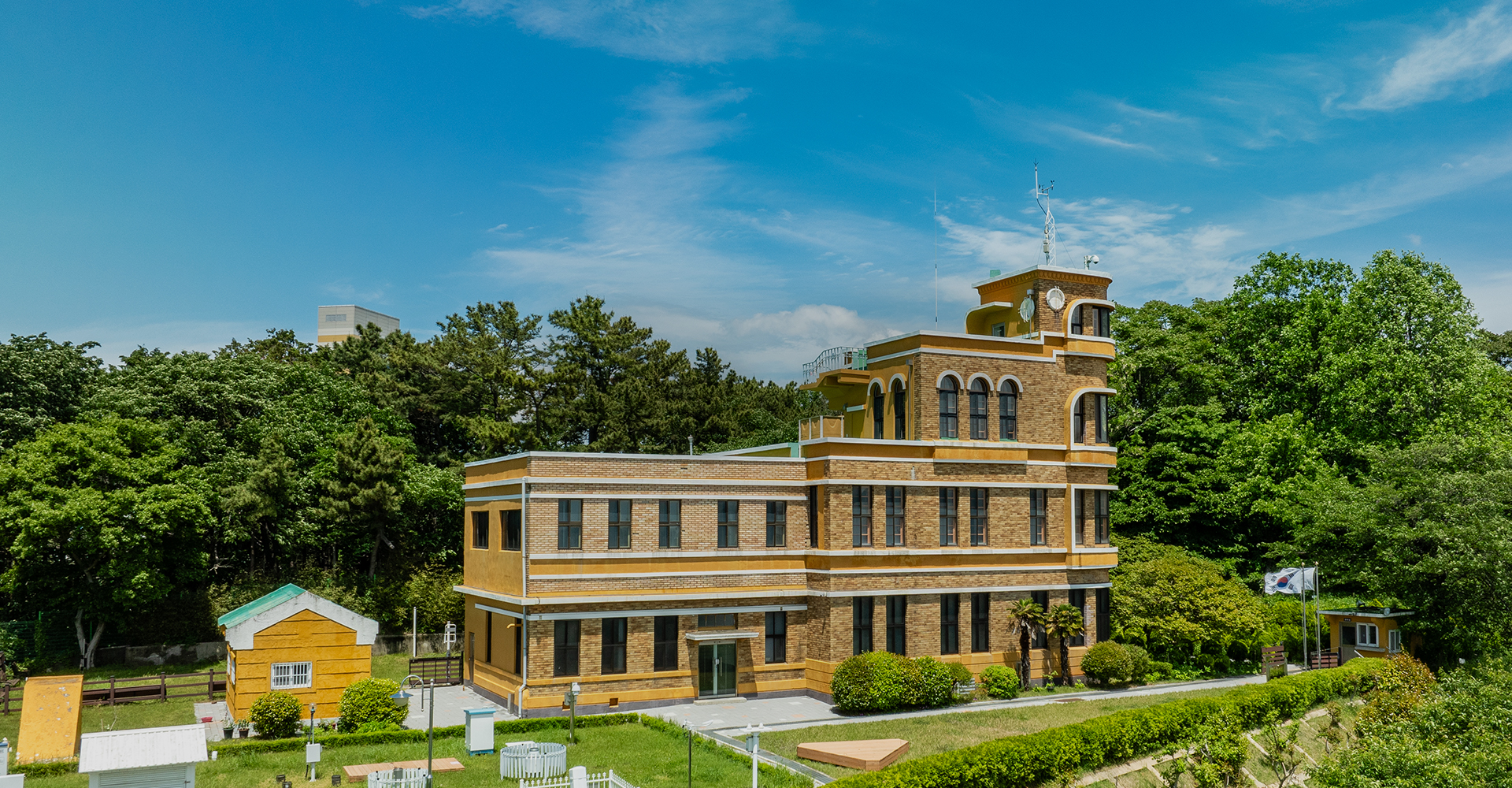
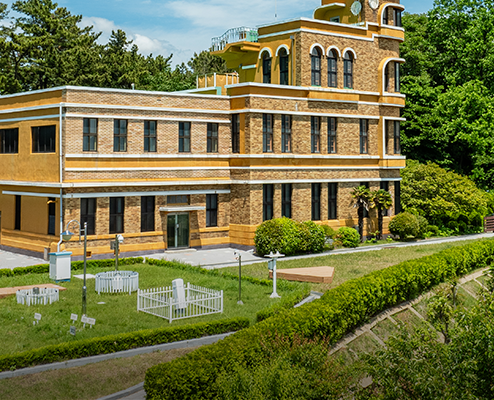
Korea Meteorological Administration
The Korea Meteorological Administration carried out weather observations 24 times each day during the war, providing key information for military operations and humanitarian activities.
Location 5-11 Bokbyeongsan-gil 32beon-gil, Jung-gu, Busan
Read more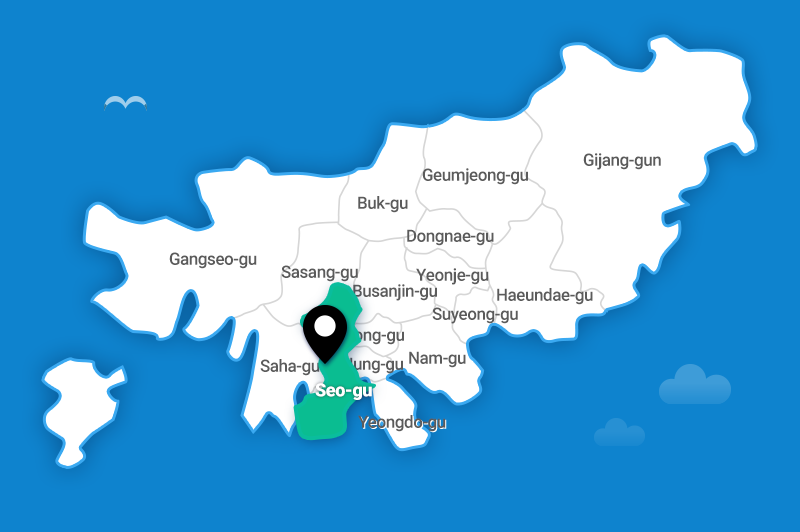
Ami-dong Tombstone Village
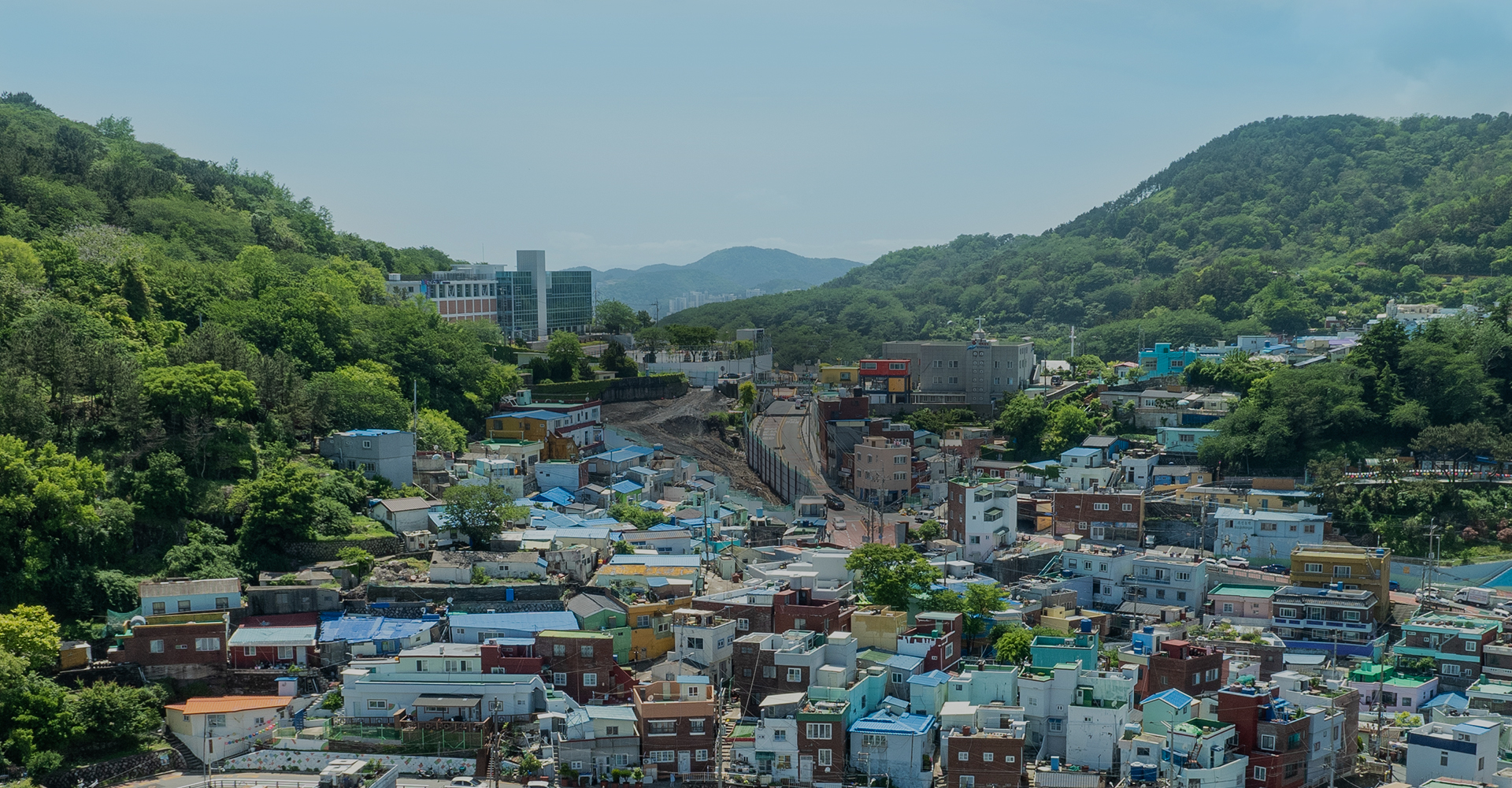
The Ami-dong Tombstone Village was a neighborhood for refugees constructed over a public cemetery.
Location Around 1 Ami-ro 38beon-gil, Seo-gu, Busan
Read more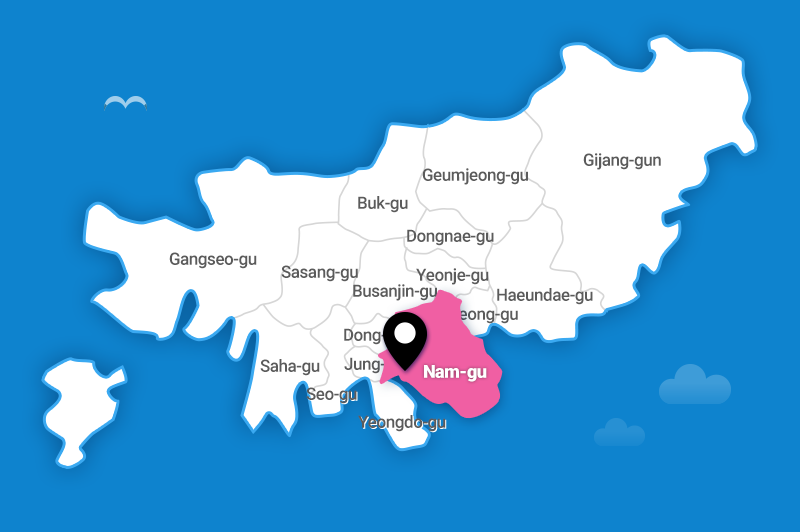
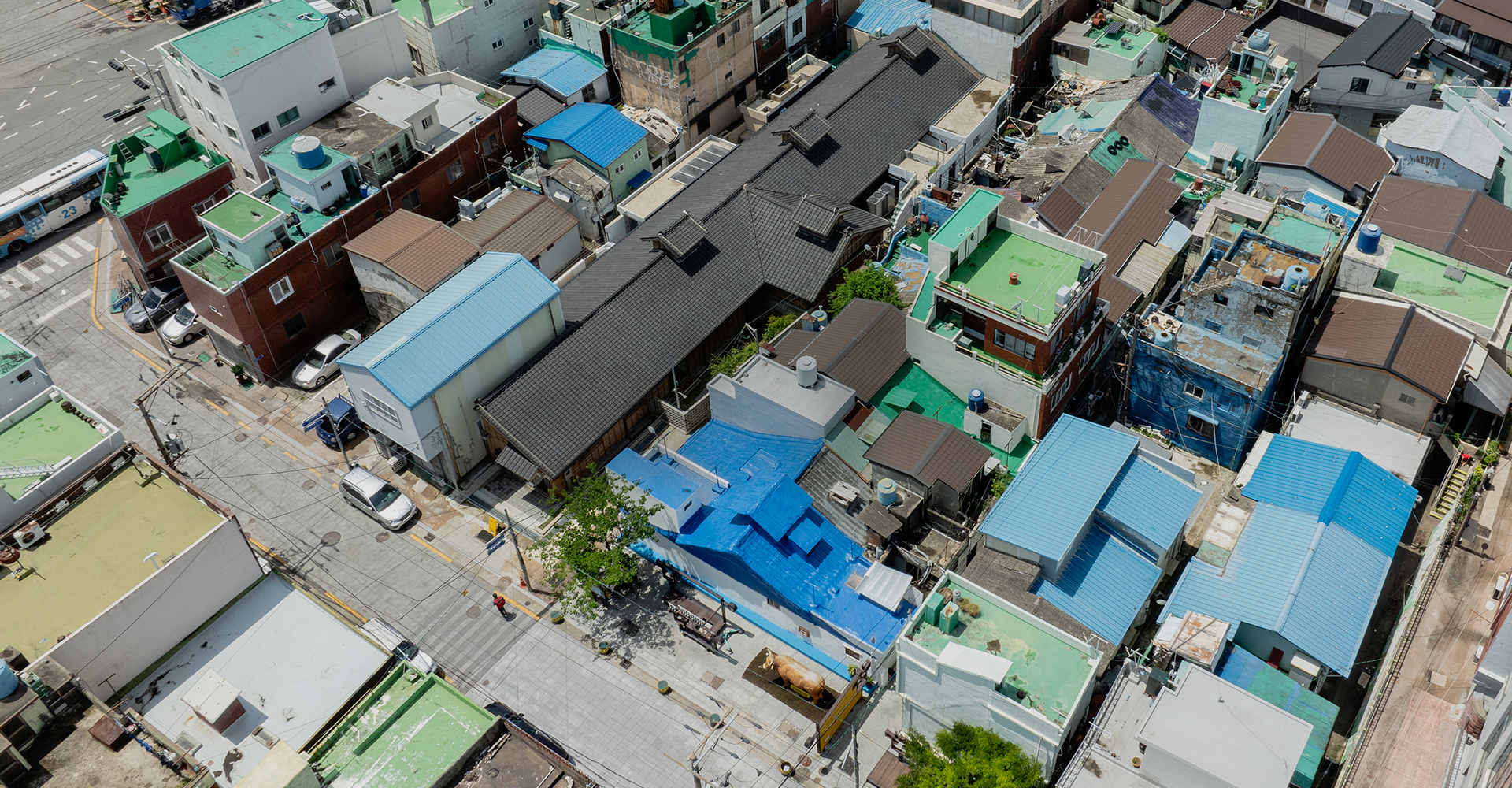
Uam-dong Cattle Shed Village
The Uam-dong Cattle Shed Village is another residential site used by refugees during the war.
Location Around 9 Uambeonyeong-ro 9beon-gil, Nam-gu, Busan
Read more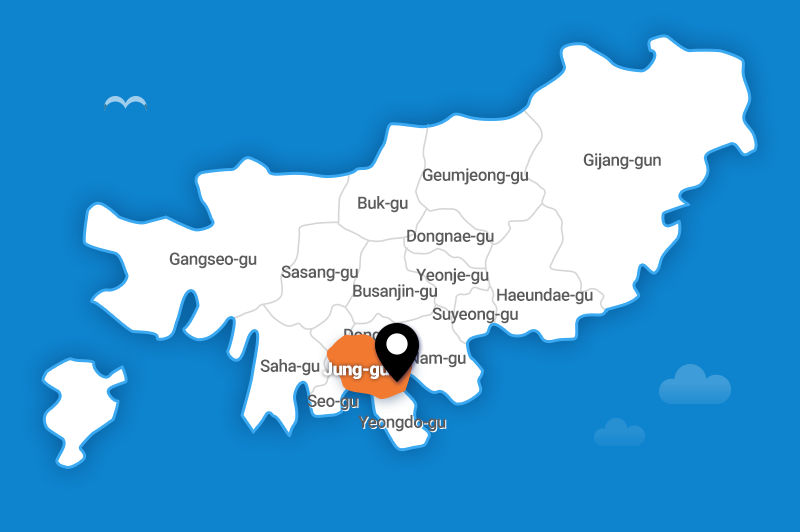
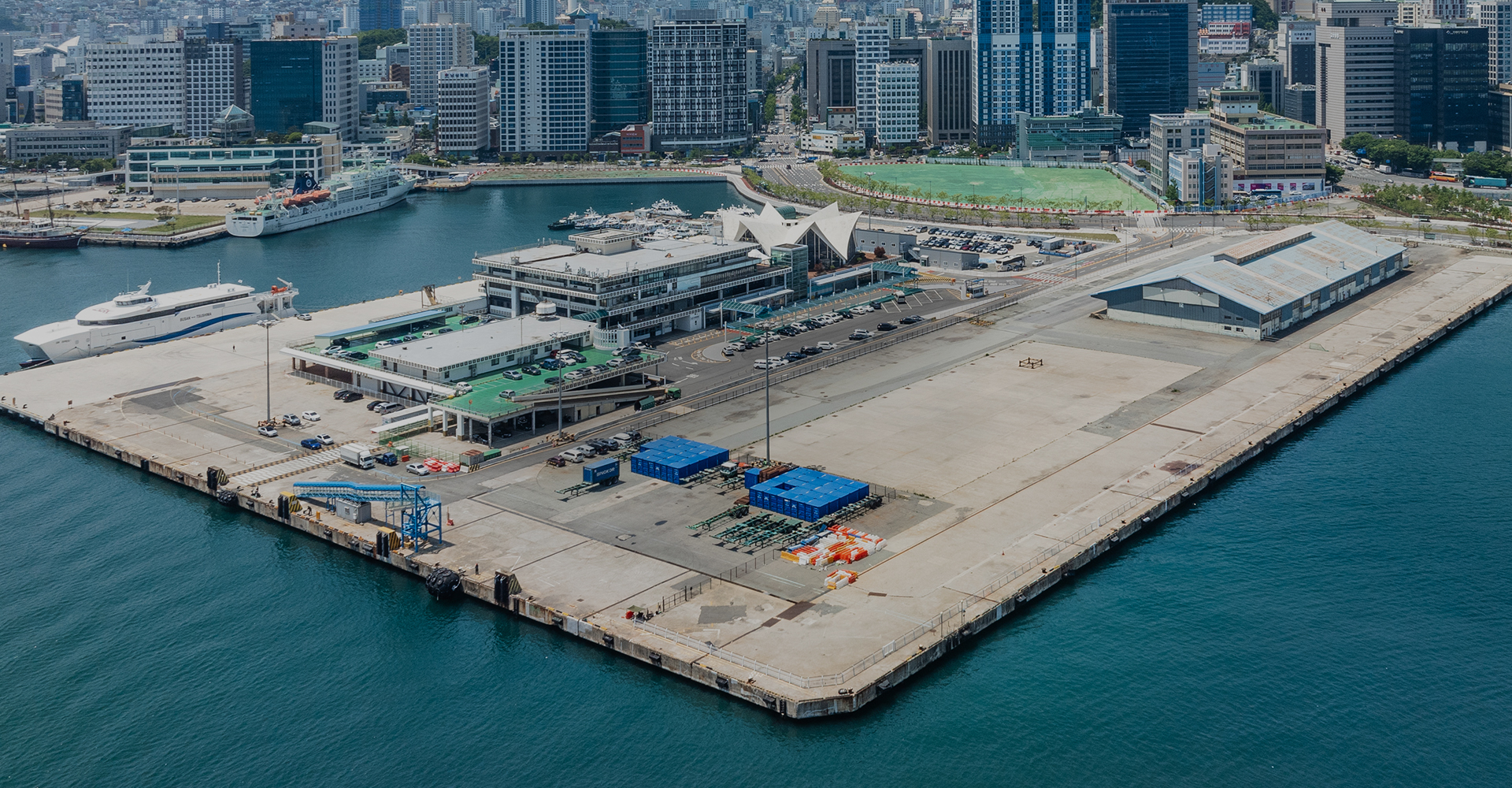
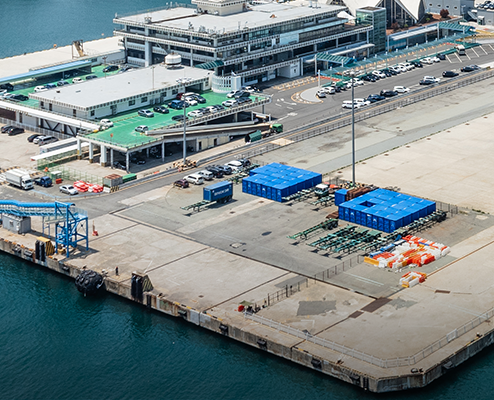
Pier 1 of Busan Port
Pier 1 of Busan Port served as the primary gateway to Busan for both goods and people during the Korean War.
Location Around 24 Chungjang-daero, Jung-gu, Busan
Read more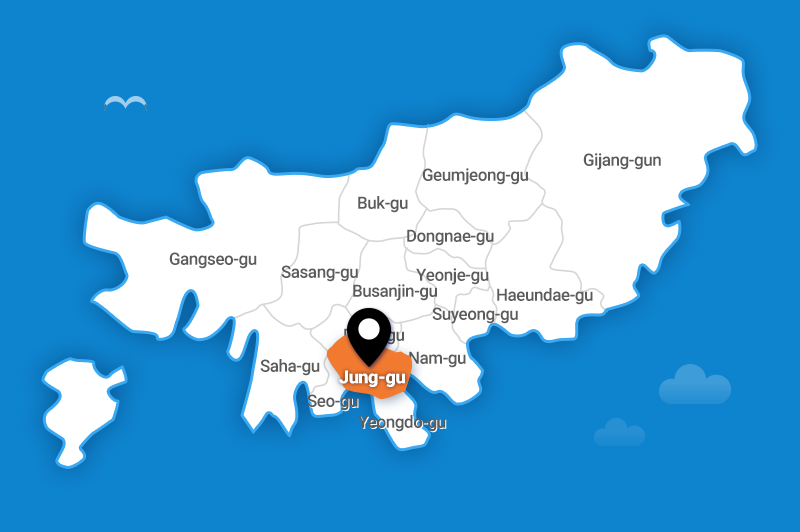
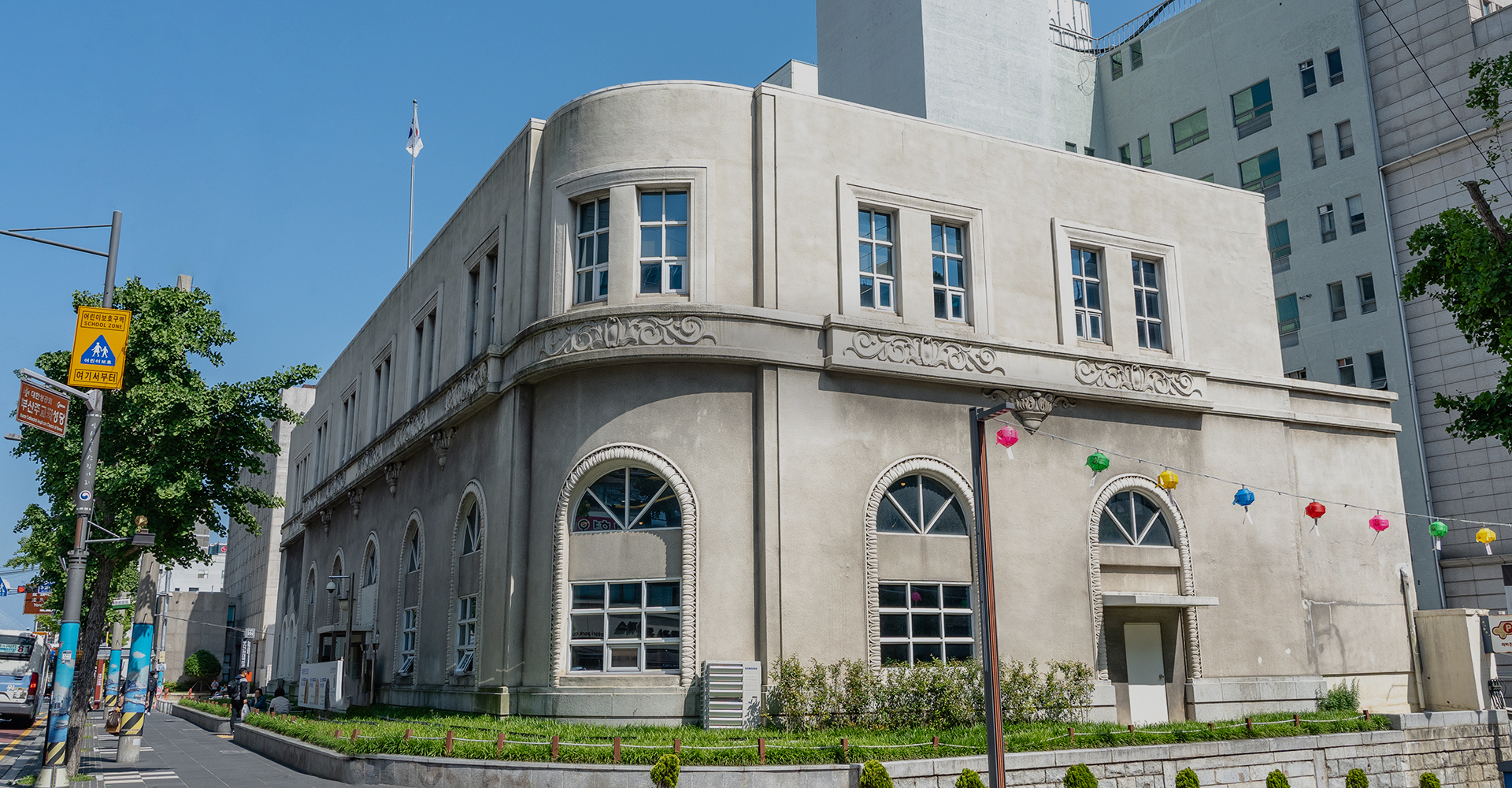
U.S. Embassy/U.S. Information Service
The United States Embassy/United States Information Service served as a channel of communication between the United States and the South Korean wartime government.
Location 104 Daecheong-ro, Jung-gu, Busan
Read more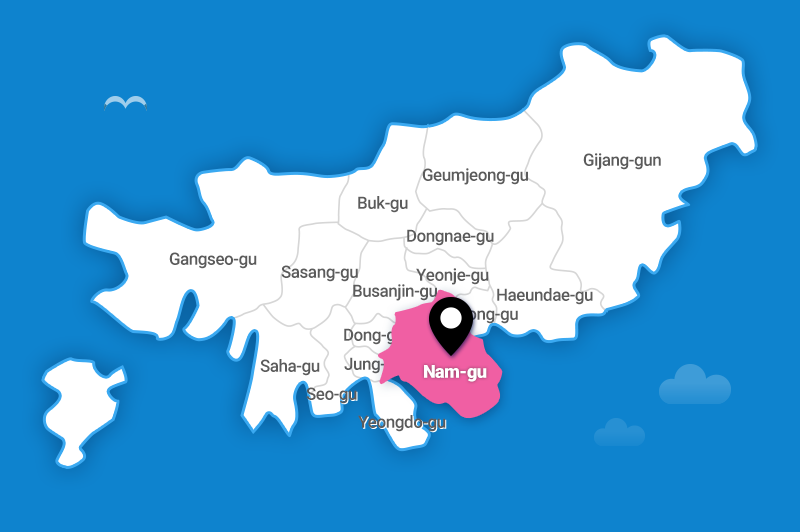
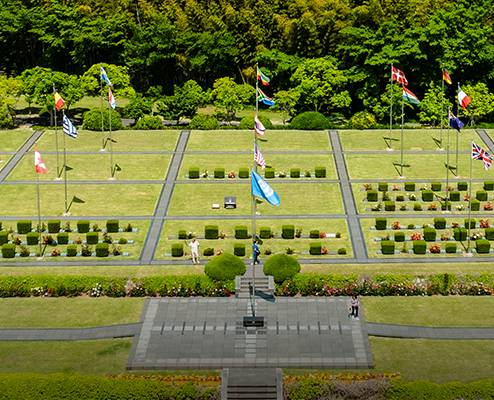
United Nations Memorial Cemetery
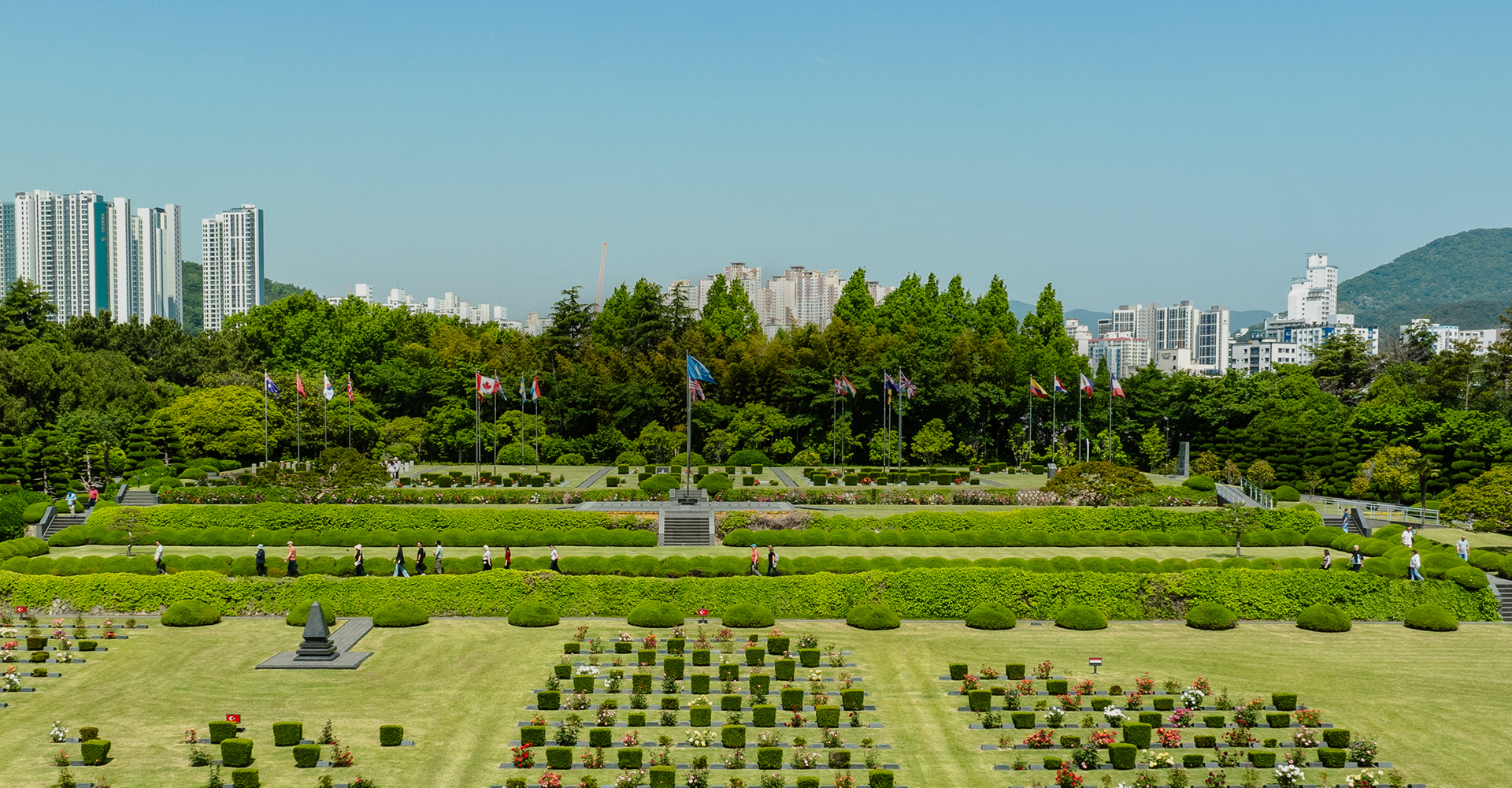
The United Nations Memorial Cemetery is the only cemetery in the world dedicated to those killed in action fighting under the flag of the United Nations.
Location 93 UN pyeonghwa-ro, Nam-gu, Busan
Read more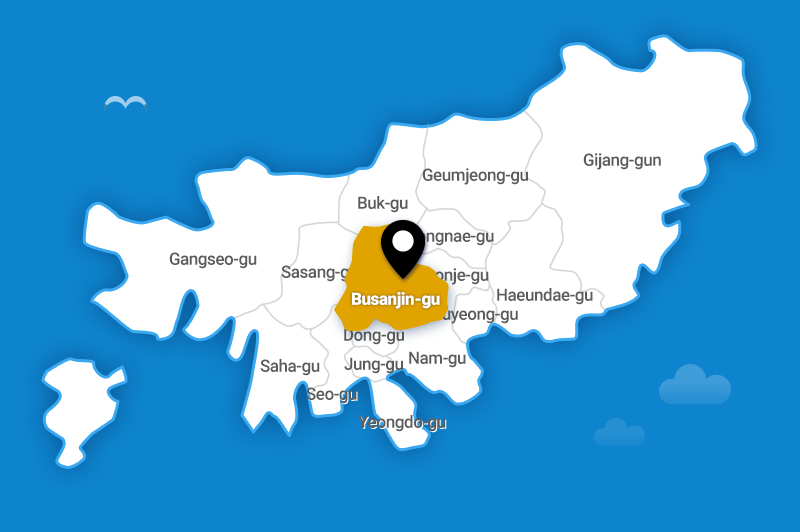
Camp Hialeah
Camp Hialeah was responsible for U.N humanitarian assistance during the Korean War.
Location 73 Simingongwon-ro, Busanjin-gu, Busan
Read more
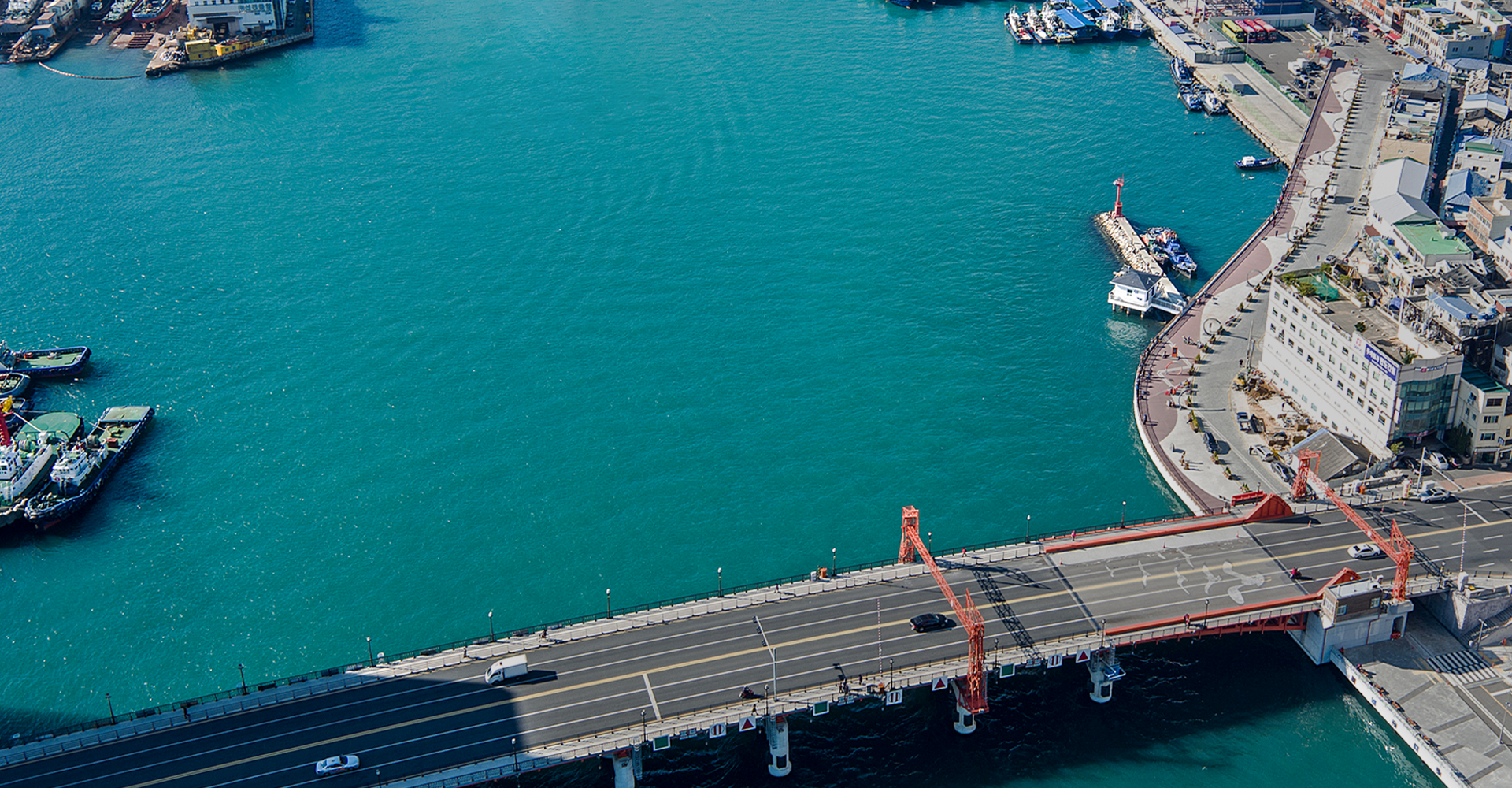
Yeongdodaegyo(Yeongdo Bridge)
Yeongdo Bridge was a place filled with the sorrows and hopes of war refugees, serving as a meeting point for separated families.
Location 190-1, Daegyo-dong 1-ga, Yeongdo-gu, Busan
Read more
Bokbyeongsan Reservoir
Bokbyeongsan Reservoir was a modern water treatment facility built in 1910 to supply drinking water to foreign residents who were living in the open port area after the opening of the Busan Port in the 1900’s.
Location10 Saem-gil, Jung-gu, Busan
Read more